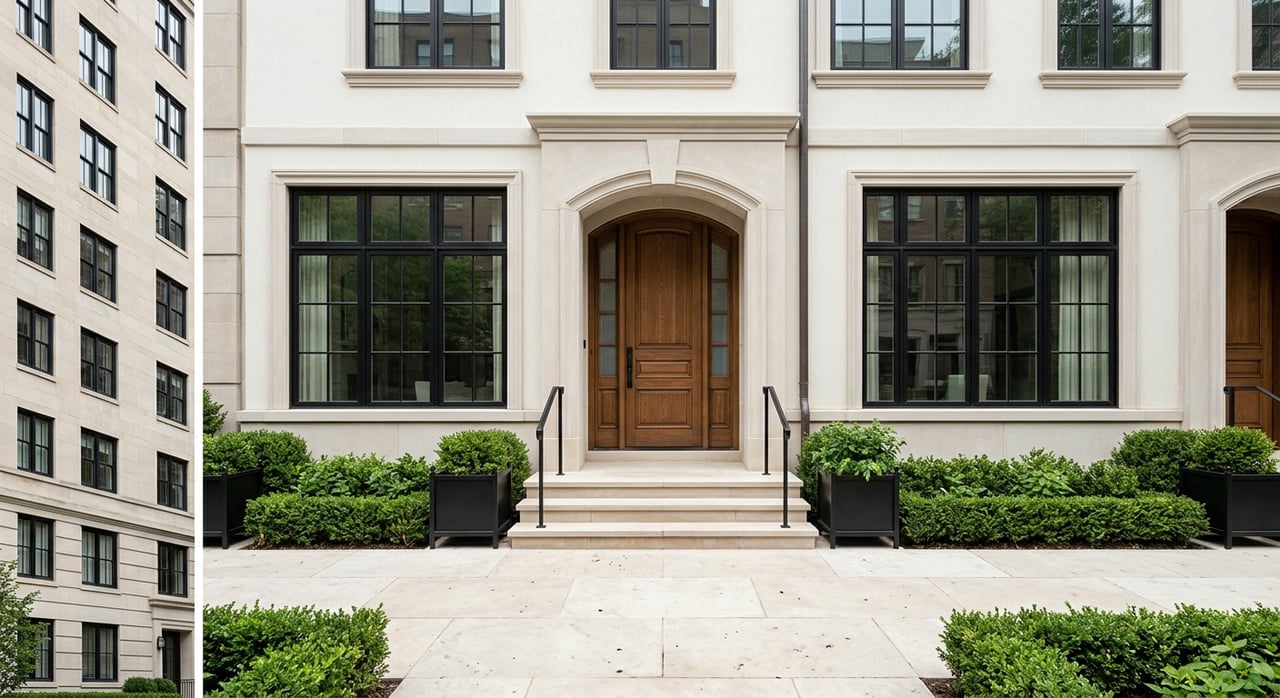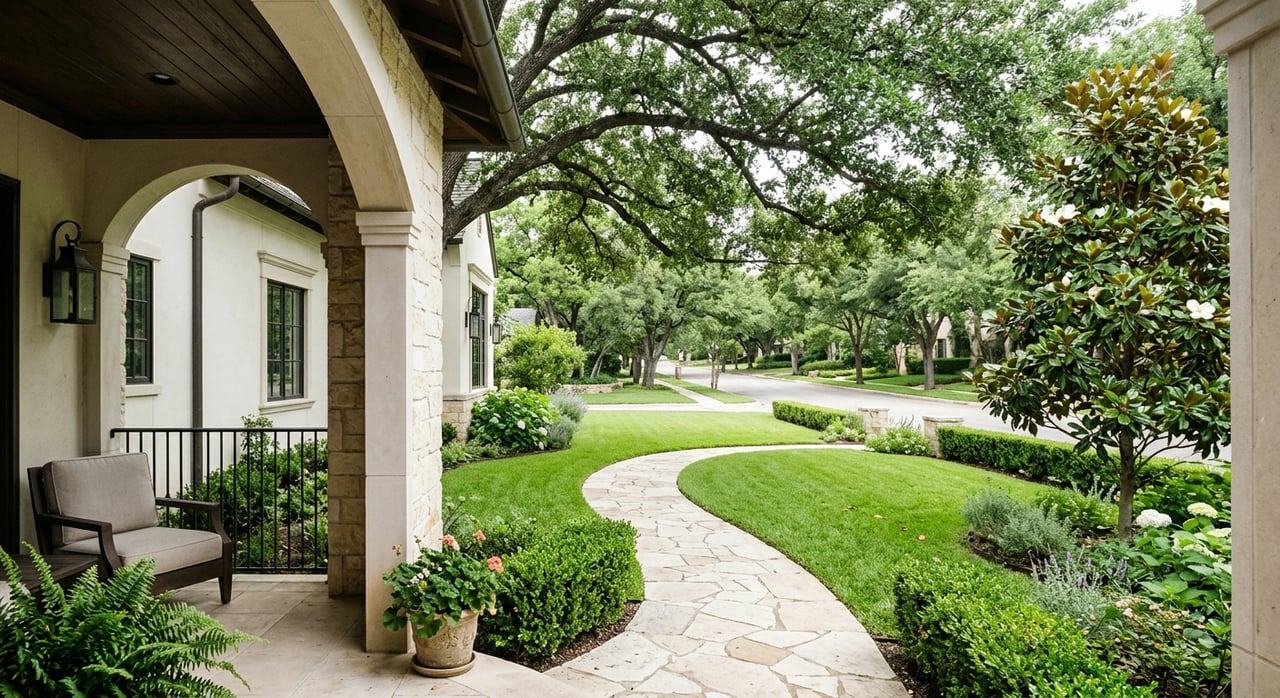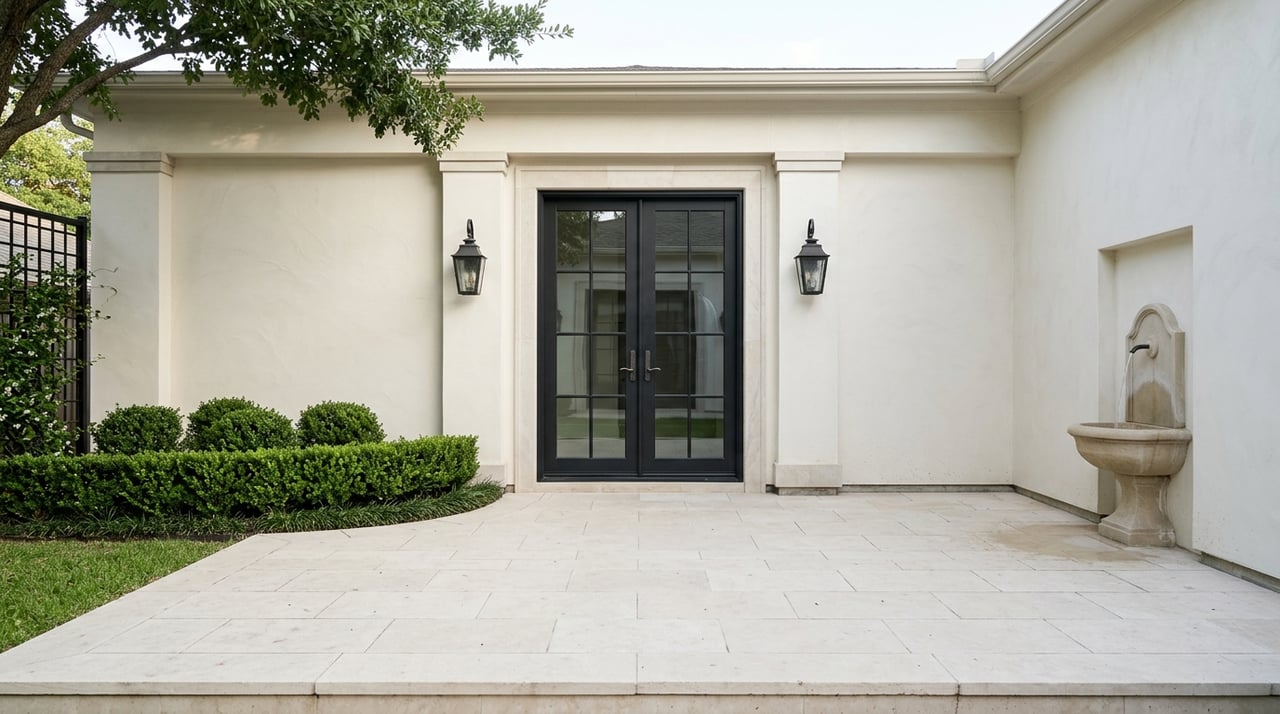
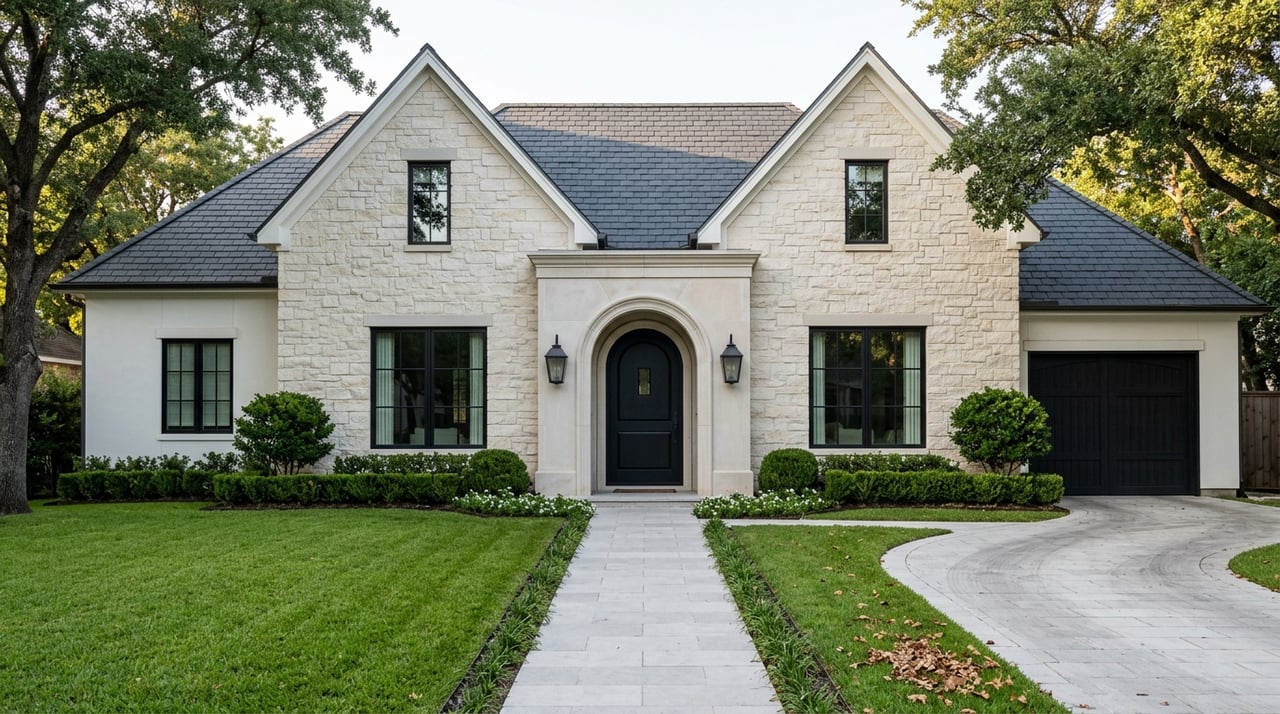
What makes a Highland Park home instantly recognizable from the street? In a town with a small footprint, mature trees, and a strong architectural identity, the answer is often the style itself. If you are buying, selling, or simply trying to understand what sets this market apart, knowing the defining architectural styles can help you read a home more clearly. Let’s dive in.
Why architecture matters in Highland Park
Highland Park was planned as an early 20th-century garden suburb, and that history still shapes how homes are experienced today. The town spans about 2.26 square miles, has roughly 8,900 residents, and reserved 20% of its developed land for parks. That combination gives the streetscape a distinct feel where lot placement, trees, and façade presence matter.
Just as important, Highland Park is not a one-style neighborhood. Preservation Park Cities notes that homes across the Park Cities were built over nearly 100 years, creating a layered mix of architectural styles tied to changing tastes and individual owners. In other words, Highland Park’s charm comes from variety, not uniformity.
Tudor homes in Highland Park
Tudor Revival is one of the most recognizable styles in Highland Park. These homes often have asymmetrical façades, steeply pitched roofs, varied eave heights, decorative half-timbering, narrow multi-pane or casement windows, and recessed entries. From the street, they tend to feel textured, substantial, and deeply rooted in place.
Inside, Tudor homes often feel cozy and more enclosed than newer construction. Living spaces may be arranged room to room rather than as one large open area, and features like hardwood floors and fireplace-centered living rooms reinforce that sense of intimacy. If you are drawn to atmosphere and architectural detail, this style often delivers both.
What to notice in a Tudor
When touring a Tudor home, pay attention to the roofline first. The steep pitch, strong chimney presence, and overall massing should still read clearly from the street.
Then look at the materials and windows. Brick, stone, half-timbering, and window rhythm do much of the visual work in this style, so original details or thoughtful replacements can make a major difference in curb appeal and long-term appeal.
Mediterranean and Spanish-style homes
Mediterranean Revival and Spanish-influenced homes bring a different mood to Highland Park. These homes commonly feature stucco exteriors, clay tile roofs, arches, deep openings, and simple but elegant massing. Local examples often include white walls, stone accents, wrought iron, beamed ceilings, sunrooms, and covered patios.
The lifestyle feel is often more indoor-outdoor. Patios, loggias, and many windows can make these homes feel lighter and more entertaining-oriented than some traditional revival styles. Finishes such as plaster, tile, and warm wood tones help reinforce that relaxed but refined character.
Why buyers respond to this style
For many buyers, this style offers a strong visual identity with practical livability. Covered outdoor spaces, sun-filled rooms, and durable materials can create a comfortable daily rhythm while still feeling architecturally distinctive.
From a seller’s perspective, these homes often benefit when the original materials and openings remain legible. Arches, tile roofing, and wrought-iron details tend to be the elements that help the home read clearly as Mediterranean or Spanish from the first glance.
Colonial Revival and Georgian influences
Colonial Revival homes bring symmetry and order to the Highland Park streetscape. This style typically emphasizes classically inspired entries, columns or pilasters, fanlights or Palladian windows, double-hung windows, and pronounced front porches. Georgian influences often appear through balanced façades and a formal, centered composition.
Inside, these homes usually feel more structured than highly open modern layouts. Center hall plans and defined living and dining rooms create a clear front-to-back sequence. If you appreciate traditional organization and a sense of formality, Colonial Revival homes often stand out.
How symmetry shapes appeal
Symmetry has a quiet power in Highland Park. In a neighborhood where streets are highly legible, a well-composed façade can create immediate visual confidence.
That is part of why renovations matter so much in this style. When updates preserve the original balance of the façade and respect the home’s proportions, the result usually feels more timeless and cohesive.
French Eclectic and hybrid revival homes
Some of Highland Park’s most distinctive homes fall into French Eclectic, Normandy-inspired, Cape Dutch, or hybrid revival categories. This is especially visible in the French Streets, where architecture and street identity often reinforce each other. These homes tend to feature more varied silhouettes and roof forms than stricter Colonial houses.
That variation can be a major draw. Buyers often respond to the layered rooflines, storybook quality, and tailored fit these homes can achieve on smaller lots. In Highland Park, where site constraints and zoning can shape design choices, these styles often show how creative architecture can still feel rooted in its setting.
Why hybrids work well here
Hybrid revival homes can bridge old and new in a natural way. They may carry historic references while still accommodating updated layouts or more current finishes.
That flexibility matters in a market where buyers value character but also want functionality. When the overall scale and proportions stay true to the home’s architectural logic, these houses can feel especially successful.
Contemporary and modern Highland Park homes
Contemporary homes bring another layer to Highland Park’s architectural story. Recent examples are often defined by clean lines, open-concept living and dining areas, floor-to-ceiling windows, and strong connections to outdoor views. In some cases, the design is intentionally oriented toward parks or landscape.
These homes usually maximize daylight and flexibility. The open flow can support a more casual way of living, and generous glass can make the house feel expansive. At the same time, privacy, storage, and landscaping often need to work harder to create the same sense of enclosure that older styles provide more naturally.
What makes a contemporary home successful
In Highland Park, a strong contemporary home is not just modern for the sake of being modern. It needs to respond to the lot, the street, and the surrounding trees in a thoughtful way.
When the design uses glass, scale, and landscape well, the result can feel elegant rather than stark. That balance is often what separates a memorable contemporary home from one that feels out of place.
How style affects layout and daily living
Architectural style is not only about curb appeal. It also shapes how a home lives day to day. Tudor and Colonial Revival homes often have more defined rooms, while Mediterranean homes may emphasize outdoor connections and contemporary homes tend to favor openness and light.
That is why style should be part of your practical checklist, not just your aesthetic one. A home can be beautiful, but it also needs to support how you actually live, entertain, work, and move through the space.
What buyers and sellers should notice
In Highland Park, style can carry real weight because supply is constrained and the character of the streetscape is easy to read. Historical sources note that growth happened largely through remaining vacant lots or teardown activity, and the community became known for strict zoning ordinances. Preservation Park Cities also emphasizes original architectural integrity and renovation excellence, which helps explain why intact façades and sensitive additions matter.
If you are touring a home or preparing one for market, these are smart first-pass questions to ask:
- Does the roofline and massing still read clearly as Tudor, Colonial, Spanish, or contemporary from the street?
- Are the windows and doors original or sympathetic replacements that match the style’s rhythm?
- Which materials are doing the visual work, such as brick, stone, stucco, clay tile, half-timbering, wrought iron, or glass?
- How well does the home use its lot and landscape in a town where parks and tree cover are part of the identity?
- Do later additions respect the original scale and proportions, or do they overpower the house?
Why preservation and presentation matter
Highland Park’s identity is closely tied to architectural integrity. Preservation Park Cities has recognized more than 165 homes and building sites, and its work reflects how strongly original design and high-quality renovation are valued in the community. In a market with high land values, that kind of integrity can become even more important.
For sellers, this means presentation should highlight the home’s defining style rather than blur it. For buyers, it means a well-preserved or thoughtfully updated home may stand out for reasons that go beyond square footage alone.
The value of local architectural insight
In a place like Highland Park, understanding style helps you make better real estate decisions. It can sharpen your eye during showings, improve how you position a property for sale, and help you see the difference between a generic renovation and a thoughtful one.
That kind of local perspective is especially useful in a market where homes are rarely interchangeable. If you want guidance on how a property’s architecture, presentation, and positioning may affect its market appeal, Debbie Ingram can help you evaluate it with the context that only deep Park Cities experience provides.
FAQs
What architectural styles are most common in Highland Park homes?
- Highland Park includes a mix of Tudor, Mediterranean or Spanish Revival, Colonial Revival, Georgian-influenced, French Eclectic, Normandy-inspired, Cape Dutch, and contemporary homes.
Why does architectural style matter when buying a Highland Park home?
- Style affects curb appeal, layout, materials, renovation choices, and how well a home fits the surrounding streetscape, all of which can influence long-term appeal.
What defines a Tudor home in Highland Park?
- Tudor homes often feature steep rooflines, asymmetrical façades, decorative half-timbering, narrow windows, masonry texture, recessed entries, and a more intimate interior layout.
How do Mediterranean or Spanish-style Highland Park homes typically live?
- These homes often feel more indoor-outdoor in character, with stucco walls, tile roofs, arches, patios, sunrooms, and finishes like plaster, tile, and warm wood tones.
What should you look for when touring a Highland Park home for architectural integrity?
- Focus on whether the roofline, massing, windows, doors, materials, and any additions still support the home’s original style and proportions.